
Going the Extra Mile for Hip Dysplasia

Miles4Hips is a patient-driven collective that is dedicated to raising hip dysplasia awareness, supporting the efforts of national and international organizations who support and advance hip dysplasia care, providing information and resources for the hip dysplasia community, and promoting the enjoyment of movement and miles in all people for healthy hips and minds.
Miles4Hips is a patient-driven collective for those affected by hip dysplasia. Read more about our mission, vision and goals.
Latest Facebook Posts
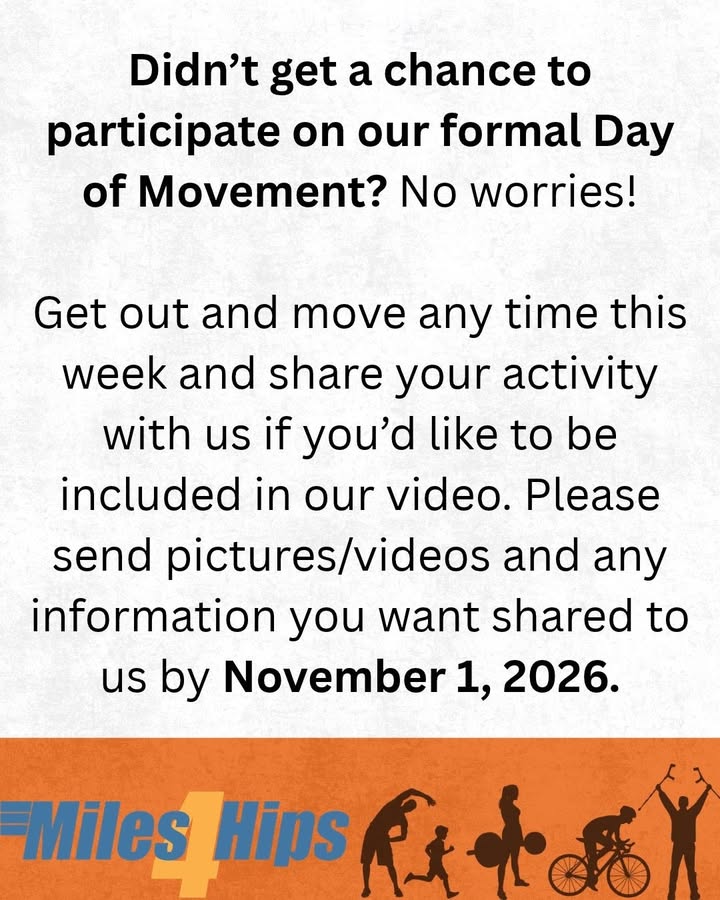

Miles4Hips
13 hours 21 minutes ago
Miles4Hips
1 day 18 hours ago
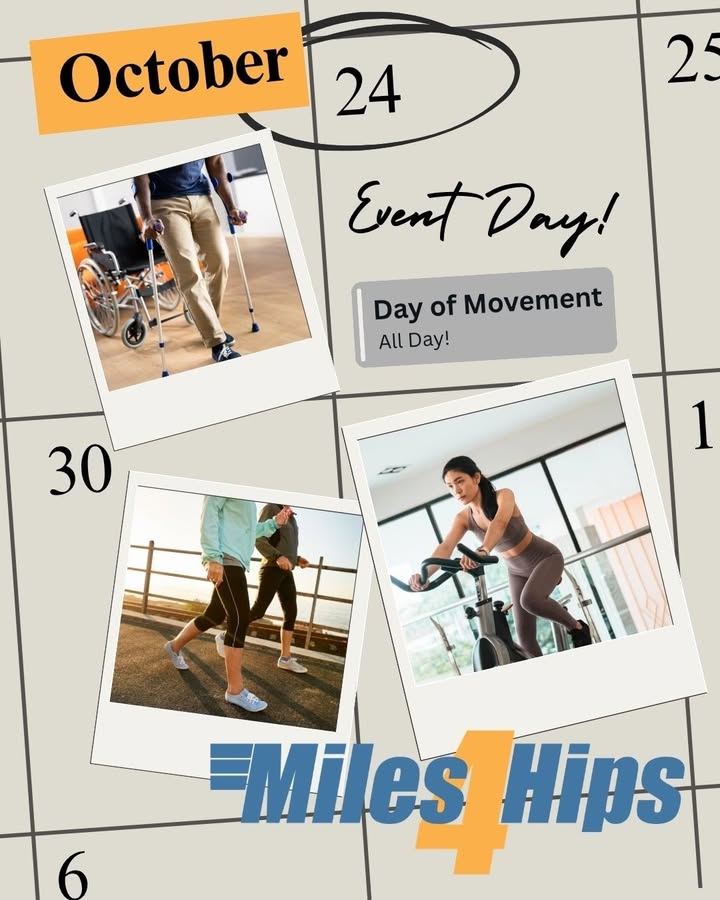
Don’t forget to tag us or send us your Day of Movement photos and videos! We are so excited to see how you moved for
Miles4Hips
2 days 9 hours ago
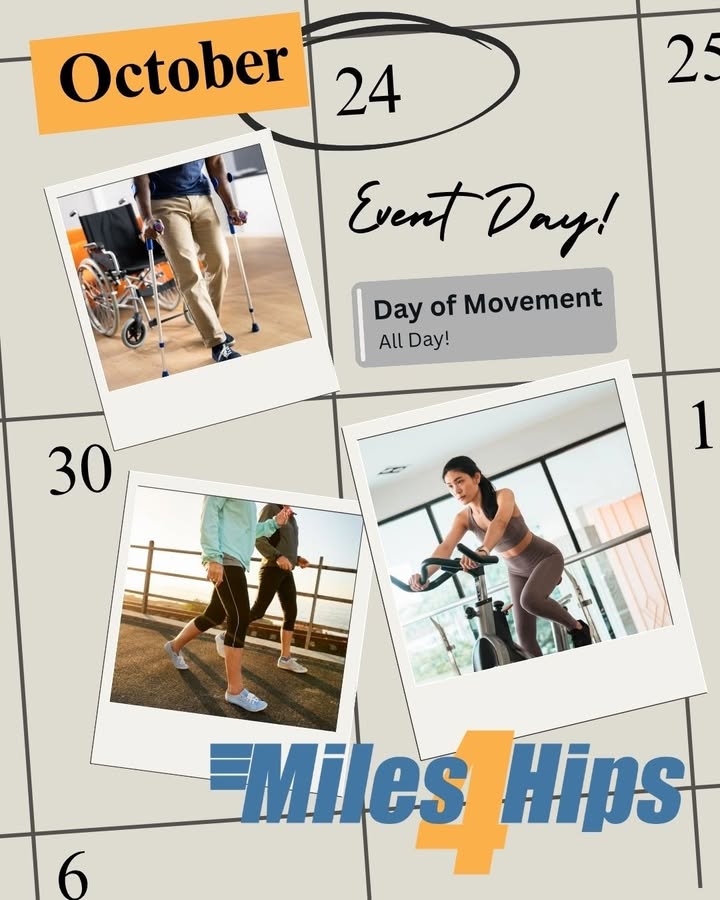
TODAY’S THE DAY! Please tag us with #dayofmovement2026 on your posts, or send your photos/videos to us. Show us how you moved today! #adulthipdysplasia #femoralretroversion
Latest Videos
 Subscribe to my channel

Latest Newsletter

Contact Miles4Hips
Latest News
-
What’s With All The Angles? Hip Dysplasia X-Ray Measurements
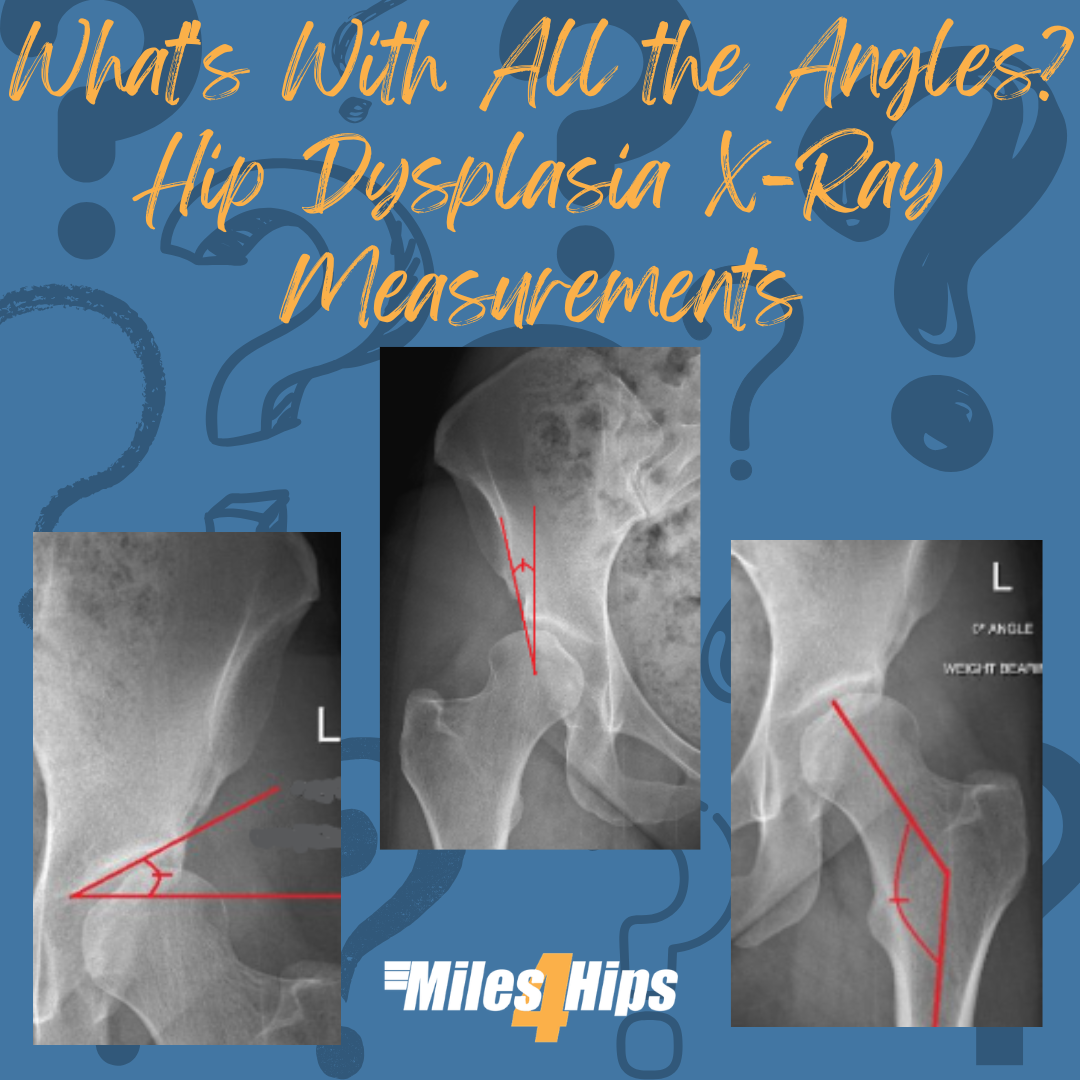
LCEA? Tonnis Angle? ACEA? Alpha Angle? Have you wondered what’s with all the angles? Hip dysplasia experts may order a variety of imaging and tests to help determine the best treatment for a patient. These are some of the most common x-ray measurements associated with the evaluation of hip dysplasia. Learn more about all the…
-
Adolescent and Adult Hip Dysplasia Treatment Options
Trying to understand your hip dysplasia treatment options? Whether you’re considering conservative management, PAO surgery, hip arthroscopy, femoral osteotomy, or total hip replacement, it can be difficult to know where to start. Check out our updated patient guide which explains common treatment approaches and highlights important considerations to discuss with your care team.
-
Physical Therapy and Hip Dysplasia: a Patient’s Guide
Physical therapy is often recommended for people with hip dysplasia, but many patients have questions: How can PT help? How do I find the right therapist? What if my therapist has never treated hip dysplasia before? Whether you’re managing symptoms conservatively or preparing for surgery, this guide answers common questions about physical therapy, explains what to look…
-
Meet Alice!
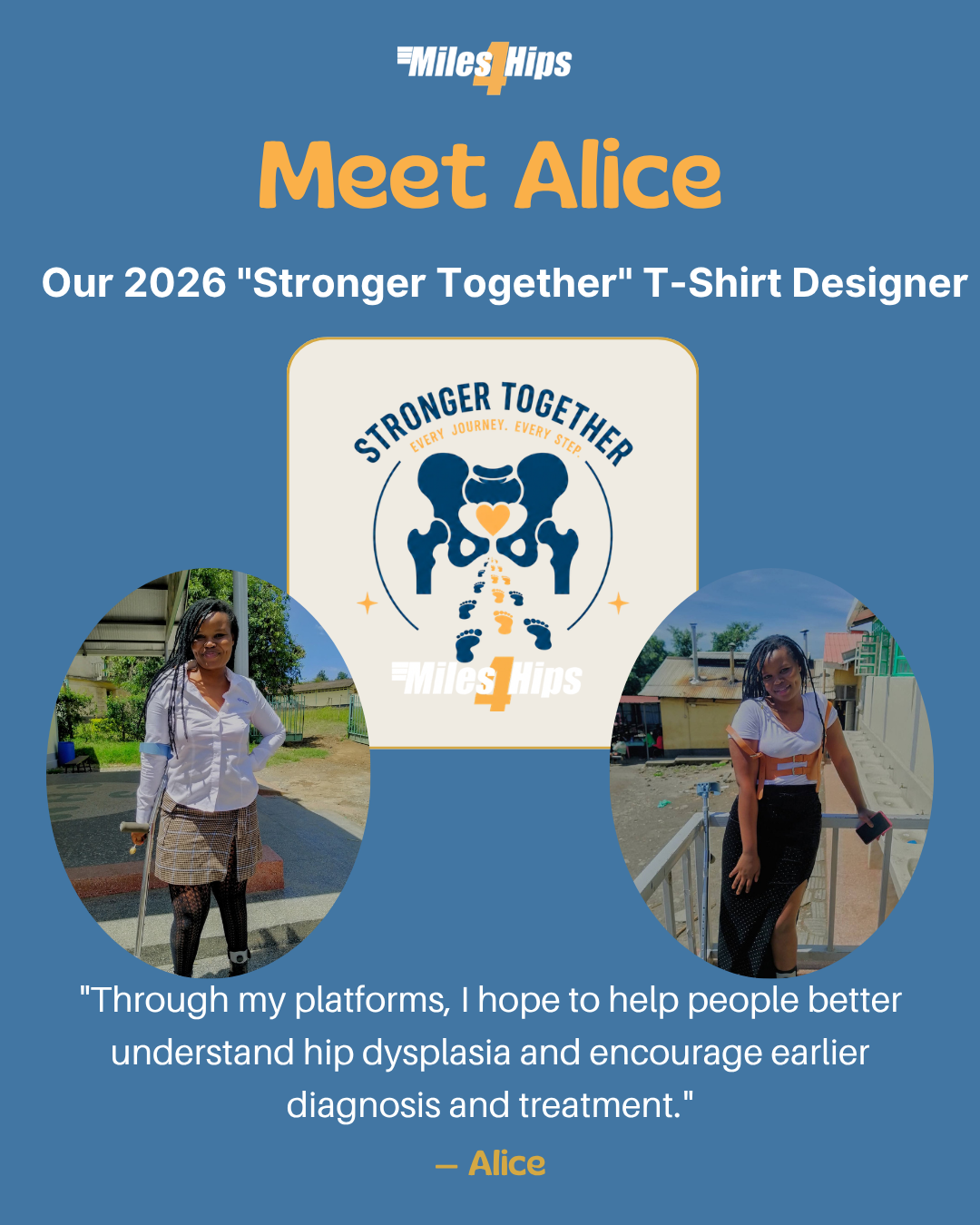
Alice is a disability advocate, content creator, and hip dysplasia patient from Kenya who uses her platform to educate, inspire, and raise awareness about life with hip dysplasia. Her journey has included a significant leg length discrepancy, multiple surgeries, femur lengthening, and a total hip replacement. Through it all, she has remained committed to sharing…
-
📚 Meet the Author & Community Book Discussion 💙

In honor of Hip Dysplasia Awareness Month, we’re excited to host a special virtual conversation r Allison Dowdy, author of the book Wrong Hips, Right Life on June 25, 2026, at 7:00 PM EDT. Join us for an evening of connection, conversation, and community as we discuss Allison’s powerful and moving book, explore the realities of living…
-
Colette’s Story

After a successful recovery from her first PAO and returning to her nursing career and marathon running Colette is now navigating recovery from her second PAO. Through every challenge, she continues to celebrate small victories and looks forward to returning to the activities she loves.
-
Donna’s Story
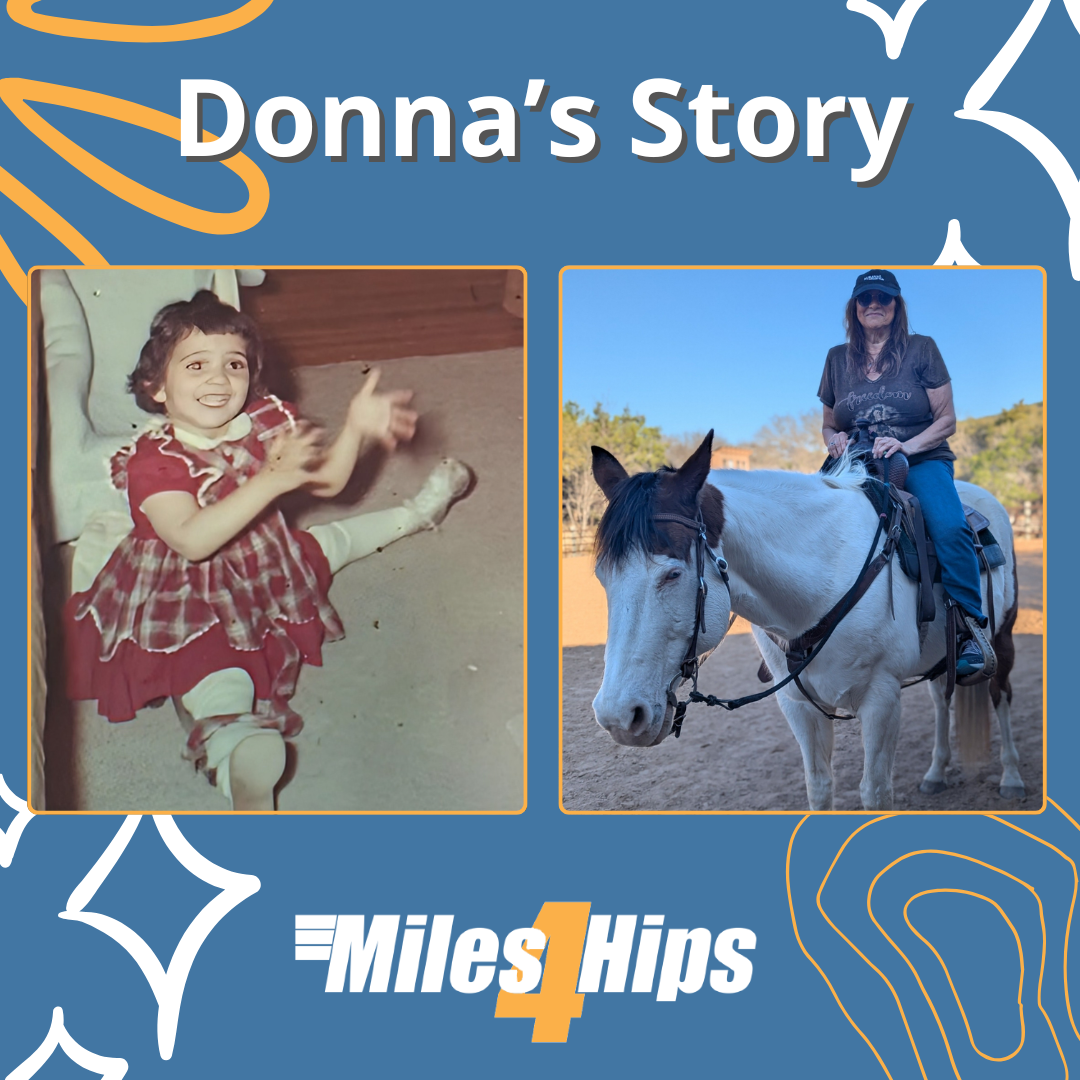
On June 16, Donna marks the 60th anniversary of the surgery she underwent at just five-and-a-half years old in Toronto—a surgery that allowed her to walk. Donna was one of the patients of Dr. Robert Salter at Toronto’s Hospital for Sick Children. Dr. Salter is widely regarded as one of the pioneers of modern pediatric…
-
Myles’ Story
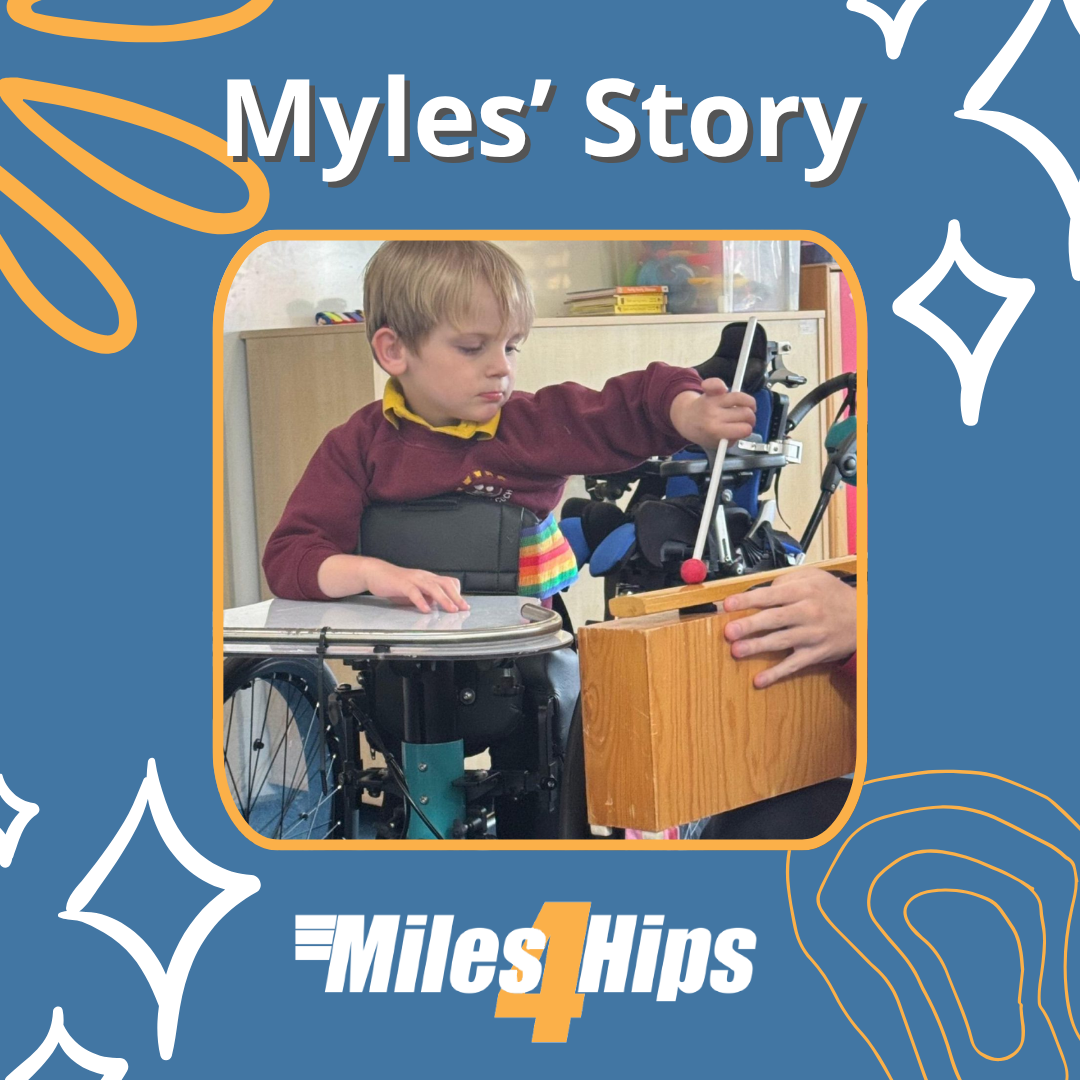
Diagnosed with hip dysplasia as a newborn, Myles has faced a lifelong journey that includes failed early treatments, major surgery, ongoing hip instability, and the added complexity of a rare neurological condition. His mother shares the realities of caregiving, navigating difficult decisions, and finding hope and joy while focusing on comfort, function, and quality of…
-
The Ultimate Hospital Packing List
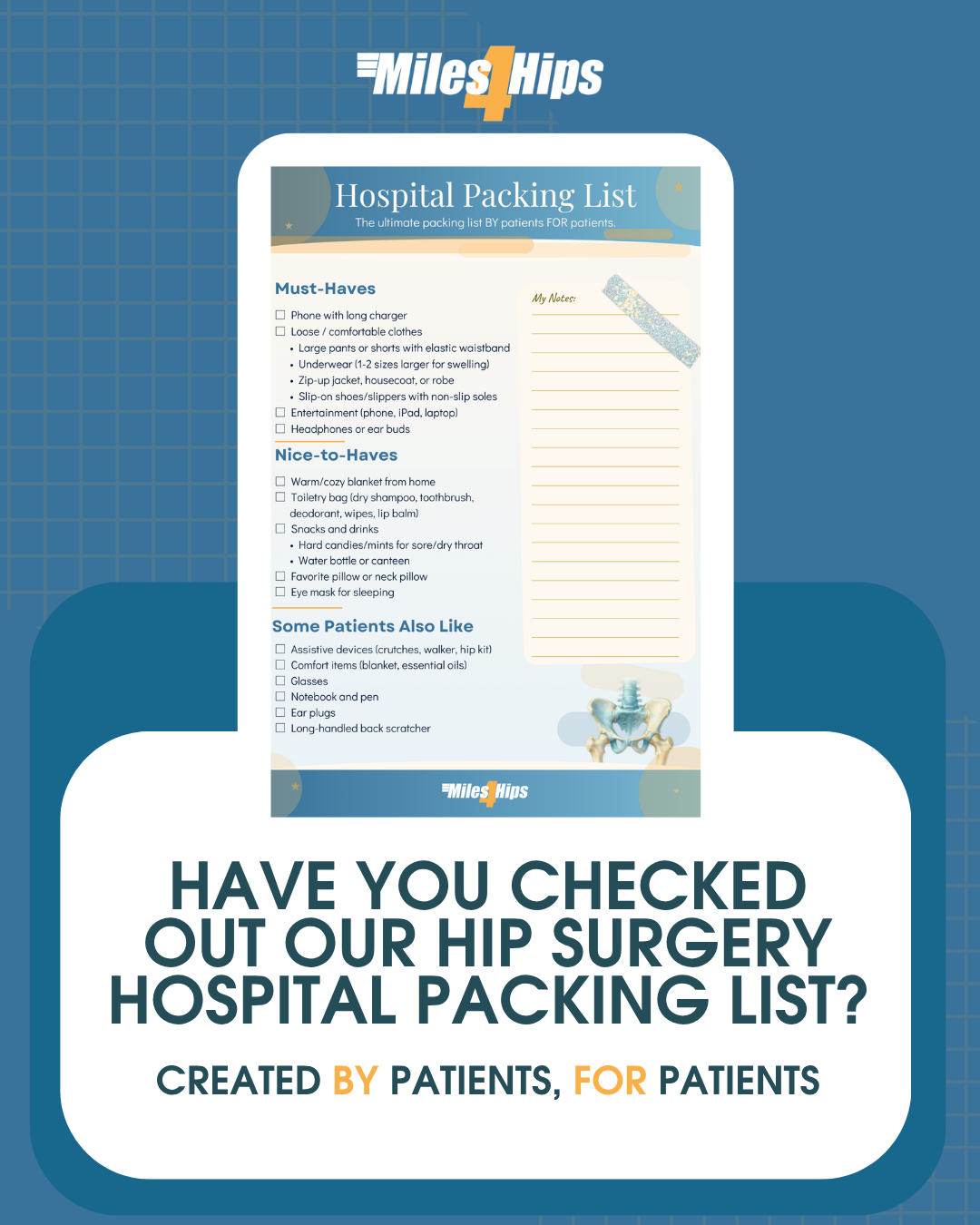
One of the most common questions patients ask before surgery is: “What should I bring to the hospital?” Our Hip Dysplasia Surgery Hospital Packing List was created BY patients FOR patients and combines practical tips and favorite comfort items recommended by the hip dysplasia community to help you prepare for surgery and recovery with confidence.
Latest News
-
What’s With All The Angles? Hip Dysplasia X-Ray Measurements
LCEA? Tonnis Angle? ACEA? Alpha Angle? Have you wondered what’s with all the angles? Hip dysplasia experts may order a variety of imaging and tests to help determine the best treatment for a patient. These are some of the most common x-ray measurements associated with the evaluation of hip dysplasia. Learn more about all the…
-
Adolescent and Adult Hip Dysplasia Treatment Options
Trying to understand your hip dysplasia treatment options? Whether you’re considering conservative management, PAO surgery, hip arthroscopy, femoral osteotomy, or total hip replacement, it can be difficult to know where to start. Check out our updated patient guide which explains common treatment approaches and highlights important considerations to discuss with your care team.
-
Physical Therapy and Hip Dysplasia: a Patient’s Guide
Physical therapy is often recommended for people with hip dysplasia, but many patients have questions: How can PT help? How do I find the right therapist? What if my therapist has never treated hip dysplasia before? Whether you’re managing symptoms conservatively or preparing for surgery, this guide answers common questions about physical therapy, explains what to look…
-
Meet Alice!
Alice is a disability advocate, content creator, and hip dysplasia patient from Kenya who uses her platform to educate, inspire, and raise awareness about life with hip dysplasia. Her journey has included a significant leg length discrepancy, multiple surgeries, femur lengthening, and a total hip replacement. Through it all, she has remained committed to sharing…
-
📚 Meet the Author & Community Book Discussion 💙
In honor of Hip Dysplasia Awareness Month, we’re excited to host a special virtual conversation r Allison Dowdy, author of the book Wrong Hips, Right Life on June 25, 2026, at 7:00 PM EDT. Join us for an evening of connection, conversation, and community as we discuss Allison’s powerful and moving book, explore the realities of living…
-
Colette’s Story
After a successful recovery from her first PAO and returning to her nursing career and marathon running Colette is now navigating recovery from her second PAO. Through every challenge, she continues to celebrate small victories and looks forward to returning to the activities she loves.
-
Donna’s Story
On June 16, Donna marks the 60th anniversary of the surgery she underwent at just five-and-a-half years old in Toronto—a surgery that allowed her to walk. Donna was one of the patients of Dr. Robert Salter at Toronto’s Hospital for Sick Children. Dr. Salter is widely regarded as one of the pioneers of modern pediatric…
-
Myles’ Story
Diagnosed with hip dysplasia as a newborn, Myles has faced a lifelong journey that includes failed early treatments, major surgery, ongoing hip instability, and the added complexity of a rare neurological condition. His mother shares the realities of caregiving, navigating difficult decisions, and finding hope and joy while focusing on comfort, function, and quality of…
-
The Ultimate Hospital Packing List
One of the most common questions patients ask before surgery is: “What should I bring to the hospital?” Our Hip Dysplasia Surgery Hospital Packing List was created BY patients FOR patients and combines practical tips and favorite comfort items recommended by the hip dysplasia community to help you prepare for surgery and recovery with confidence.