
My name is Jenna, and I am currently 24 years old. I was a patient of Dr. Novias at Boston Children’s Hospital (BCH) and continue to be a current patient at BCH.
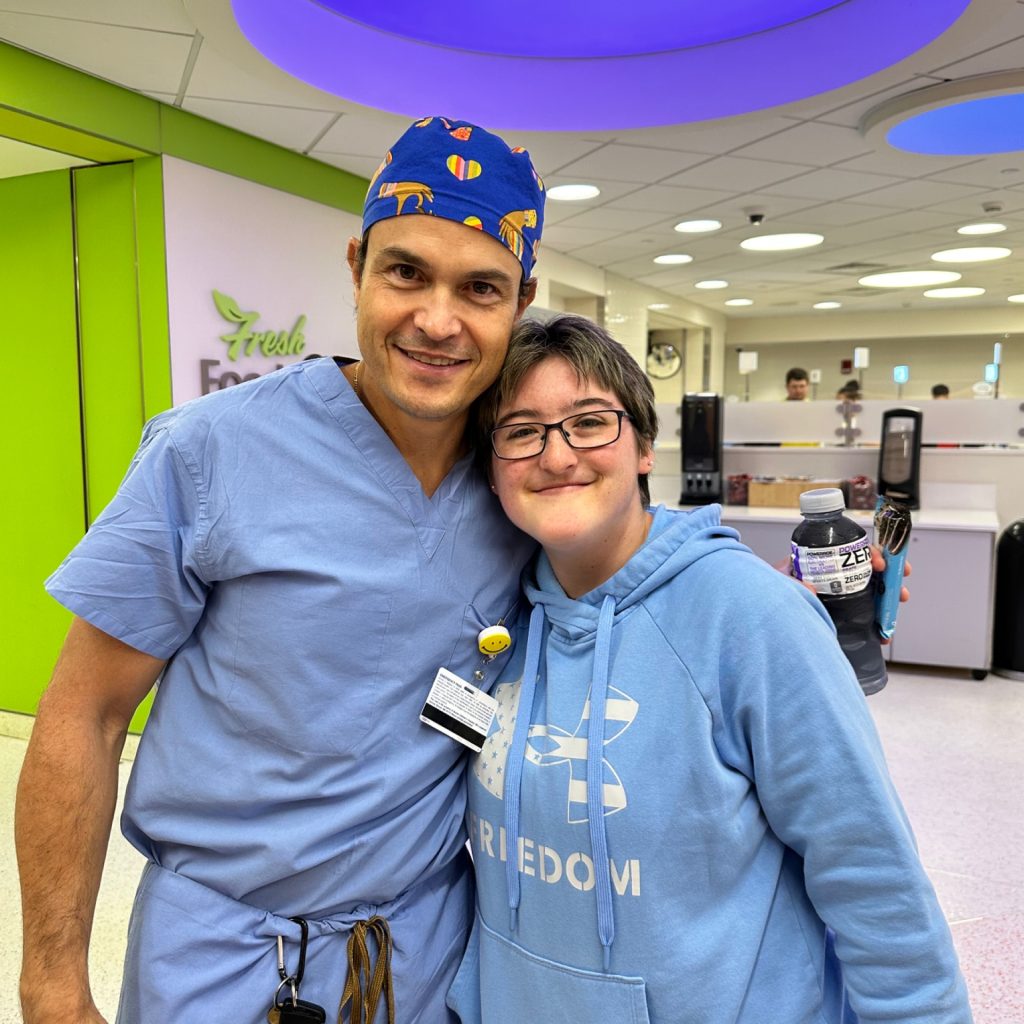
At the age of 14, I was diagnosed with severe hip dysplasia. Subsequently, I underwent my initial hip dysplasia (Bernese periacetabular osteotomy (PAO)) surgery at the age of 15, which took place in August 2018.
My initial hip surgery was quite intimidating, as I was unfamiliar with the procedure. I was deeply apprehensive. Consequently, I required inpatient care for three days. Given my lack of knowledge about surgery, I was understandably anxious. However, the compassionate nurses, doctors, and my parents provided me with relaxation medication, which helped alleviate my anxiety and prepare me for the operating room.
The duration of surgery varies depending on the severity of the diagnosis. Due to the severity of my injury, my surgery was initially scheduled to last six hours. However, Dr. Novais swiftly identified my condition, resulting in a significantly shorter surgery time of approximately three and a half hours. Nevertheless, the overall procedure extended to close to six hours due to the recovery room time and the waiting period for my inpatient room to become available.
Following my surgery, I experienced a range of emotions, as I was uncertain of my feelings each day. I did not consistently experience the same emotions from one day to the next.
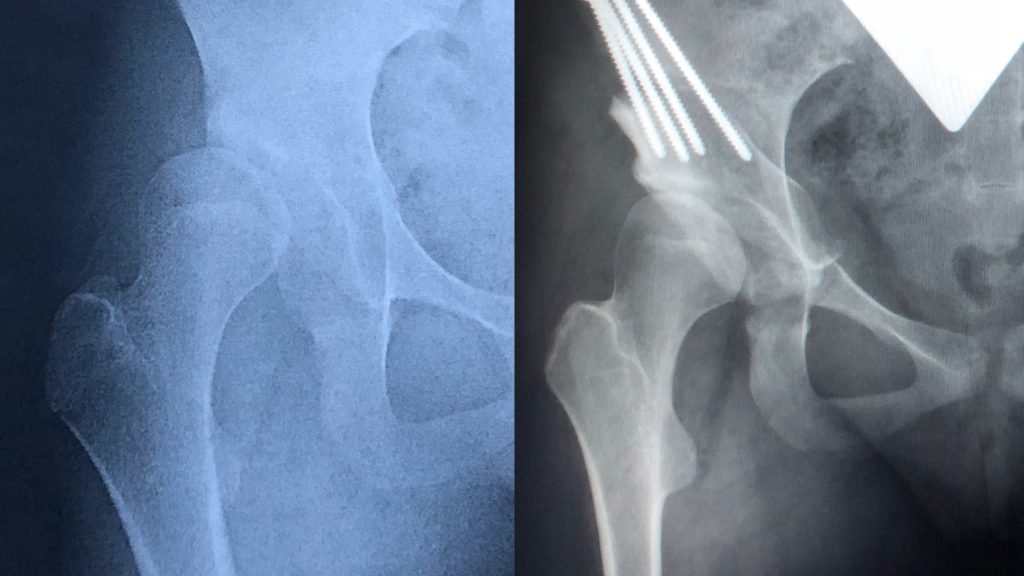
My second Bernese PAO was performed a year after my first. It took place in April 2019 when I was 16 years old. The second surgery was somewhat easier than the first due to my familiarity with the process. I was more aware of the procedure the second time around. The second surgery was slightly longer than the first, with the actual surgery lasting four hours. However, the total procedure time was approximately seven hours.
The positive aspect of scheduling the surgeries at that time was that I was able to preserve a longer lifespan for my hips. Consequently, I will not require a total hip replacement until I am at least 70 or 80 years old.
Several factors contributed to my successful recovery from each surgery and my hospital stay. I had family visit me daily, and my doctors also made regular visits. The nurses who cared for me after surgery were exceptionally kind and helped me maintain a positive outlook. I had numerous amusing stories to share at the conclusion of each surgery. Additionally, I brought various items to the hospital to keep myself occupied, which proved to be highly beneficial. My mother also stayed with me during my hospital stay, and I was allowed to walk around the hospital hallways if I desired, which prevented me from feeling confined. I also attempted to rest periodically, as surgery was physically demanding.
My recovery was significantly aided by the support of my family, the opportunity to leave the house, maintaining an active lifestyle, engaging in games, watching television, and ensuring that I remained occupied. I have also formed strong friendships and have received unwavering support from my community. I am deeply grateful for the friends and community that have helped me navigate this challenging time. Without their support, I would have been in a much more difficult situation than I am currently.
It is important to note that each individual’s recovery from surgery is unique. I was fortunate to have a smooth and rapid recovery, with only a minor setback that did not hinder my progress. I had multiple follow-up appointments both before and after my surgeries. Boston Children’s Hospital provided exceptional care throughout my treatment. This serves as a brief overview of my hip surgeries.