
Myles was born in September 2018. Within hours of his arrival, concerns were already being raised. During his newborn examination, the midwife heard a distinct “clunk” in his left hip. What followed was a referral for xray, and by only four weeks old, Myles was diagnosed with left hip dysplasia.
At that point, our journey into orthopaedics began — one that i could never have anticipated would still be ongoing seven years later.
Early Diagnosis and First Treatment
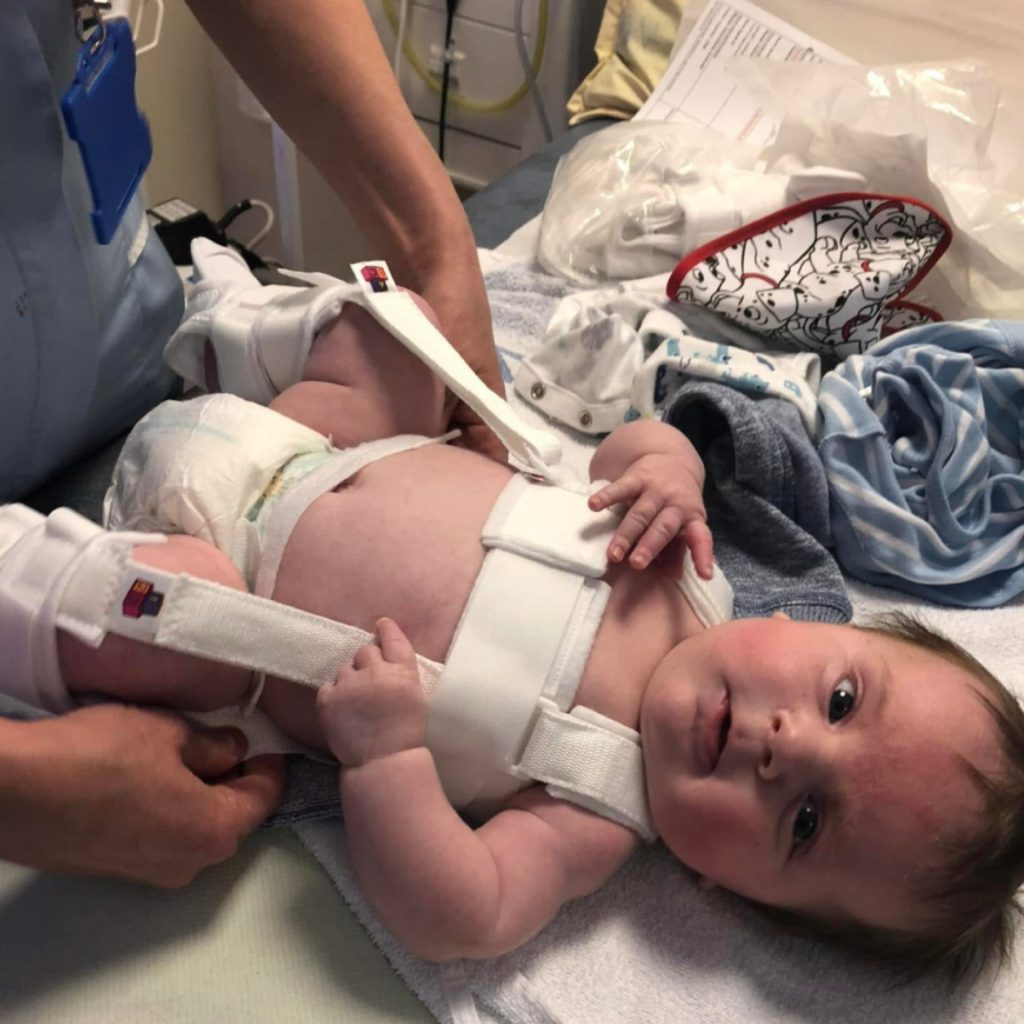
The first line of treatment was a Pavlik harness. I was told it would likely be needed for around two weeks, but had an 97% success rate. unfortunately it had to be discontinued after just five days, as it was felt to be causing more harm than benefit.
From the beginning, Myles has been under the care of the same orthopaedic consultant. That continuity has been incredibly important to me as Myles’ sole parent carer — he has known Myles since birth and was the first consultant i was ever introduced to. That trust became a constant in an otherwise unpredictable journey.
Closed Reduction and Setbacks
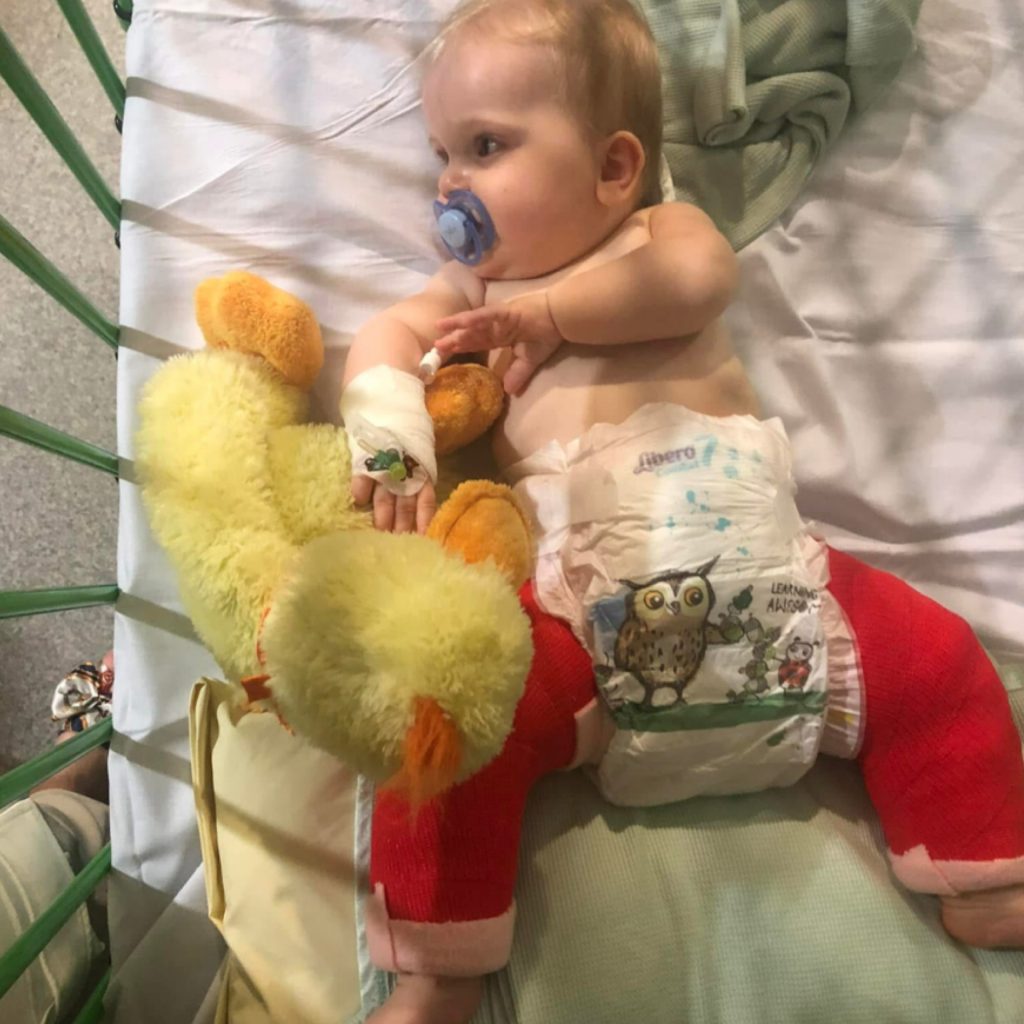
At around two years old, Myles underwent a closed reduction. This was described as a minor surgical procedure, but as a parent, it was still terrifying — particularly as he had never undergone any surgery before beyond anaesthesia for MRI and other scans.
I was told there was another high success rate, around 80%, which gave me hope. However, the procedure was followed by further heartbreak. Myles was placed in a spica cast and was due to wear it for three months, but the very next day after his post-operative X-ray, i was told the cast had to be removed immediately as the hip had redislocated.
The delays leading up to this surgery were also incredibly difficult. Emergency trauma cases repeatedly took priority, which meant cancelled procedures and repeated days of fasting for Myles, only to be sent home at the last minute. It was emotionally exhausting and incredibly difficult to navigate. Due to his other health conditions and being nonverbal he found this very distressing.
Open Reduction and Recovery
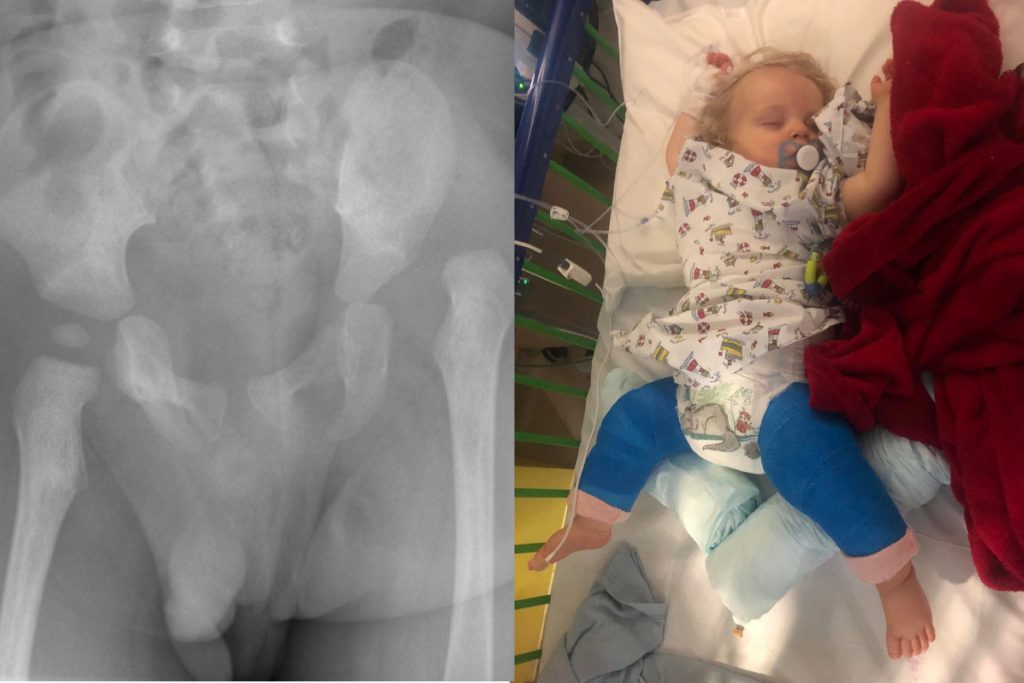
Following further consultation, i was advised that an open reduction would be the next step. This was explained as major surgery, but with good success rates for complex cases. After careful consideration, i consented.
The operation was more difficult than anything we had experienced before. Myles required morphine for over a week afterwards, and even then, i struggled to manage his pain levels as he was gradually weaned off it.
After discharge, we faced another frightening moment when Myles experienced a tonic-clonic seizure while still in his spica cast. We were told this was likely related to the physiological stress of surgery.
Practical life at home was also extremely challenging. I had to arrange and fund specialist equipment such as a spica chair and table ourselves, costing around £120 per month for three months. I received very little guidance on day-to-day care, and had to quickly learn how to manage positioning, dressing, and comfort in a full-body cast.
Despite everything, Myles completed the three months in his spica cast.
Ongoing Changes and Further Concerns
Over time, follow-up X-rays began to show changes. By 2023, there was evidence of subluxation of the left hip, and by 2025 this had progressed to partial dislocation.
Further surgery was discussed, including pelvic and femoral osteotomy. However, given Myles’ previous difficulty recovering from major surgery, I had serious concerns about subjecting him to an even more extensive procedure. He has had many health changes since his open reduction took place including being given a gastrostomy feeding tube.
Myles also lives with a complex underlying neurological condition — 4H leukodystrophy — which causes movement disorders and affects his overall physical development. He has never been able to stand or walk, and therefore his hip journey has been very different from that of ambulant children.
After seeking further specialist input, overseas, including from Dr Nicole Wolf, an expert in 4H leukodystrophy, the view was shared that further hip surgery would not provide lasting benefit, as his hip was likely to continue to re-dislocate due to his underlying condition.
This aligned with the orthopaedic consultant’s own concerns. At our most recent review, he confirmed there had been further deterioration, but agreed that no further surgical intervention should be pursued. Instead, the focus moving forward will be on comfort and pain management as needed, particularly when posture or discomfort becomes an issue.
Life Beyond the Orthopaedic Journey
Alongside his hip dysplasia, Myles has faced multiple complex diagnoses and challenges from a very early age, including severe bilateral hearing loss, neurological movement disorders, osteopenia, leg length discrepancy, and feeding difficulties requiring a tube.
He had a gastrostomy tube placed in January, which has also been a significant adjustment for me and Myles.
Despite all of this, Myles continues to show resilience in his own way. He is now seven years old. He cannot stand or walk, but he is mobile in his own way, scooting around the floor and W-sitting, always content in his environment and full of personality.
Reflections
When Myles was first diagnosed with hip dysplasia, I could never have imagined the complexity or long-term nature of the journey ahead — particularly alongside everything else that unfolded medically in his early life, from MRI scans and genetic testing to hearing loss and neurological diagnosis. I was told hip dysplasia could be treated and that the long term outcome was good.
What has stayed constant is Myles himself — his presence, his resilience, and the care we have received from key medical professionals who have walked alongside us through every stage.
It is a strange and rather fitting coincidence that Myles shares his name with Miles4Hips. His hips have indeed been a central part of his medical journey, shaping so many decisions, challenges, and hopes along the way.
We are still very much on this journey the two of us as a team, but today my focus is on comfort, quality of life, and supporting Myles in the way he needs as he grows.
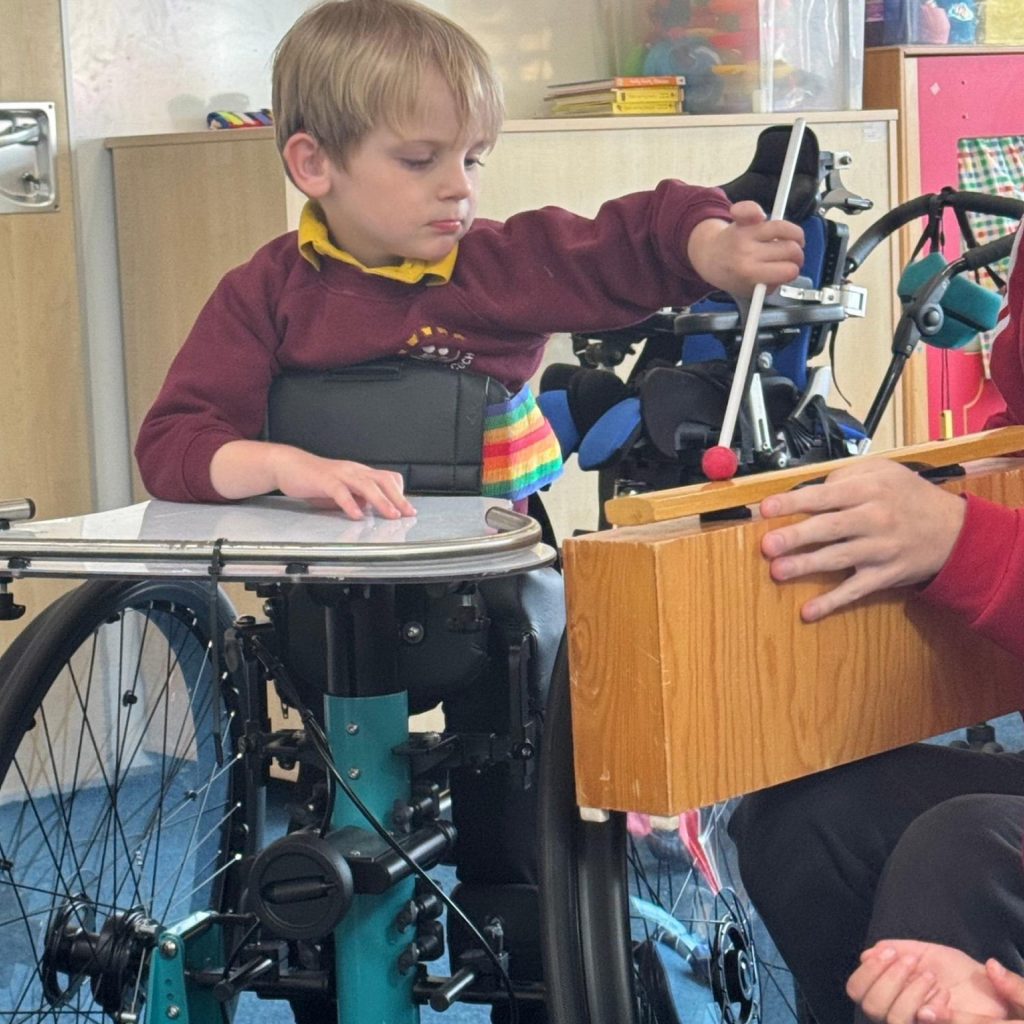
Myles has been in several different standing frames since the age of 2 that I have took pleasure in helping him into as he’s enjoyed each and every one of them, his most recent one is huge with extra large wheels but its fantastic because he can self propel in there as well as receiving his daily physical therapy which is important for his hip