
My Journey with Hip Dysplasia and Miserable Malalignment Syndrome
I was always the flexible one. As a kid, I sat in the W position and the frog position without a second thought, and everyone just called it a party trick. Nobody ever told me that kind of flexibility could be a warning sign. It took years — and a lot of pain — before I understood what my body was actually telling me.
It all came to a head in September of my sophomore year, during a seven-hour color guard rehearsal. I felt my femur slide into my pelvis with a weird pop, and the pain hit so fast that it took three people to get me off the field. I refused to leave until lunch — stubbornness I’d come to regret. Then I sat in the ER for six hours before anyone even looked at my legs. They took one X-ray and sent me home with a referral to orthopedics.
Six weeks later, I couldn’t even lunge without pain. The doctor told me I’d torn my hamstring. I trusted that. I had no reason not to.
By March of my junior year, I was back at Children’s Orthopedic, barely able to walk without standing on my toe. They took more X-rays, then asked a question I’ll never forget: “Have you ever heard of hip dysplasia?” I hadn’t. I didn’t even know it was a thing. I was almost sixteen.
They tried physical therapy first. It didn’t help. So I had an MRI, and that’s when the “torn hamstring” turned out to be something else entirely — a torn labrum. I was referred to Panorama Orthopedics, where they told me I’d need a PAO and labral repair.
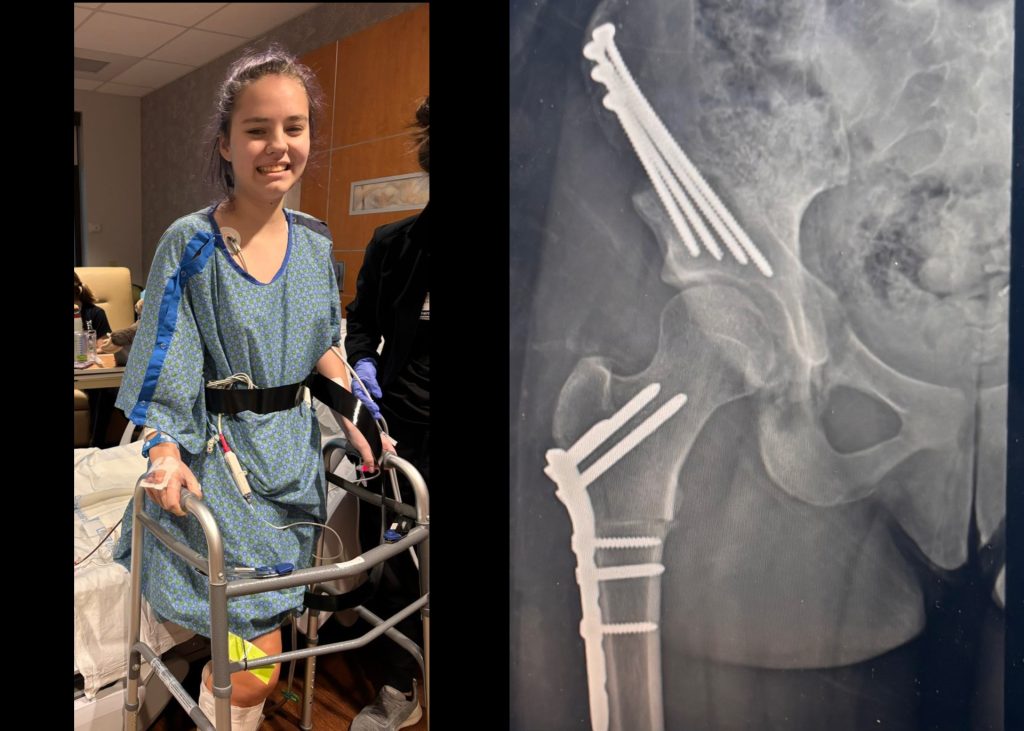
Then, in December, I met my two surgeons, Dr. Hughgate and Dr. Ellman. That’s when I learned I had a second condition on top of everything else: Miserable Malalignment Syndrome. My femur and tibia are rotated about triple the amount of a normal person. It explained everything — why I was so flexible, why my moderate hip dysplasia hurt so much more than it should have. And it meant I didn’t just need a PAO and labral repair. I needed two osteotomies to fix the rotation too.
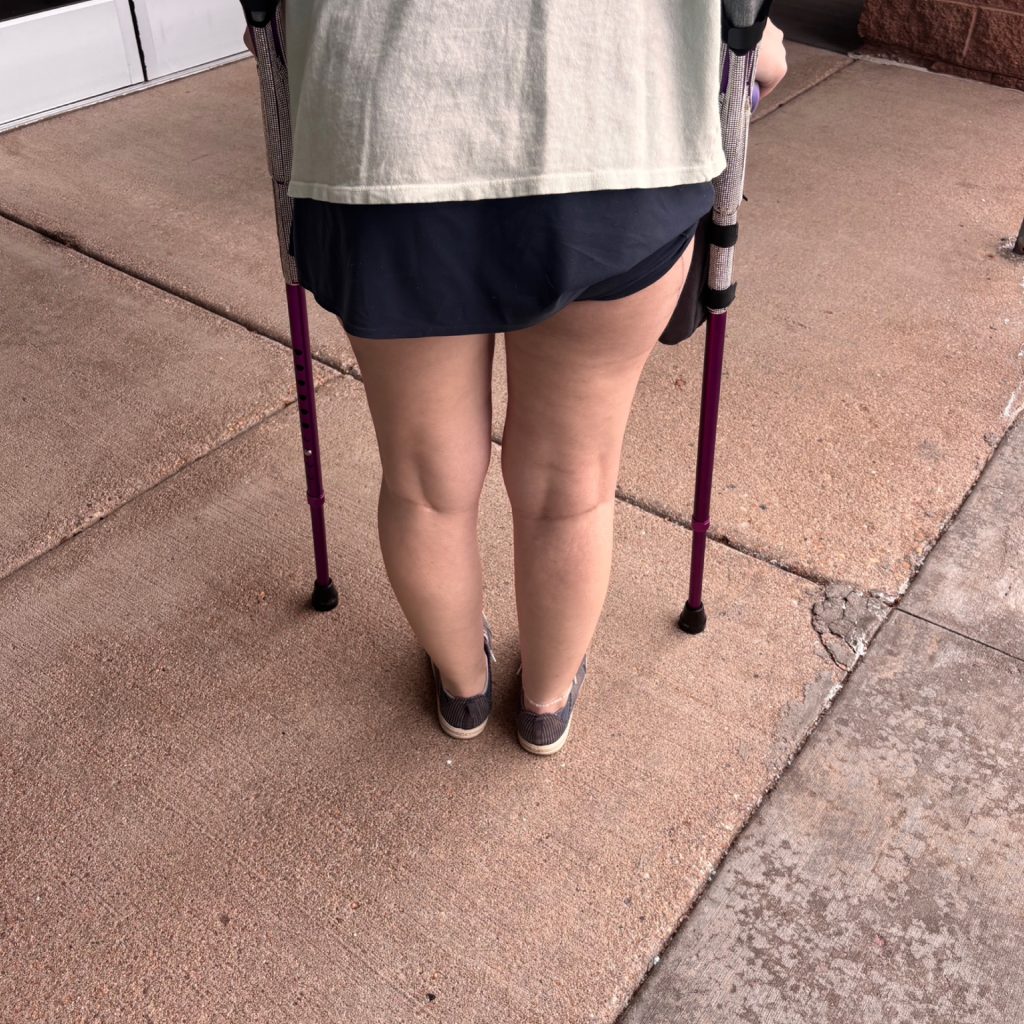
The hardest part of all of it wasn’t the surgery itself. It was color guard.
My coach had me stay in the winter season even though she knew I’d be leaving for surgery not even halfway through. So I ended up in a hospital bed, watching my team’s group chat light up without me. And even when I was well enough to go to their competitions, it hurt — because I knew that if the doctors had caught either of my conditions sooner, I could have been out there on the floor with them.
Now, about seven months post-op, I’ve finished physical therapy for my right side. I still have to get my left leg done, but I’m finishing my senior year — and I’m back as color guard captain for my team. Better than ever.
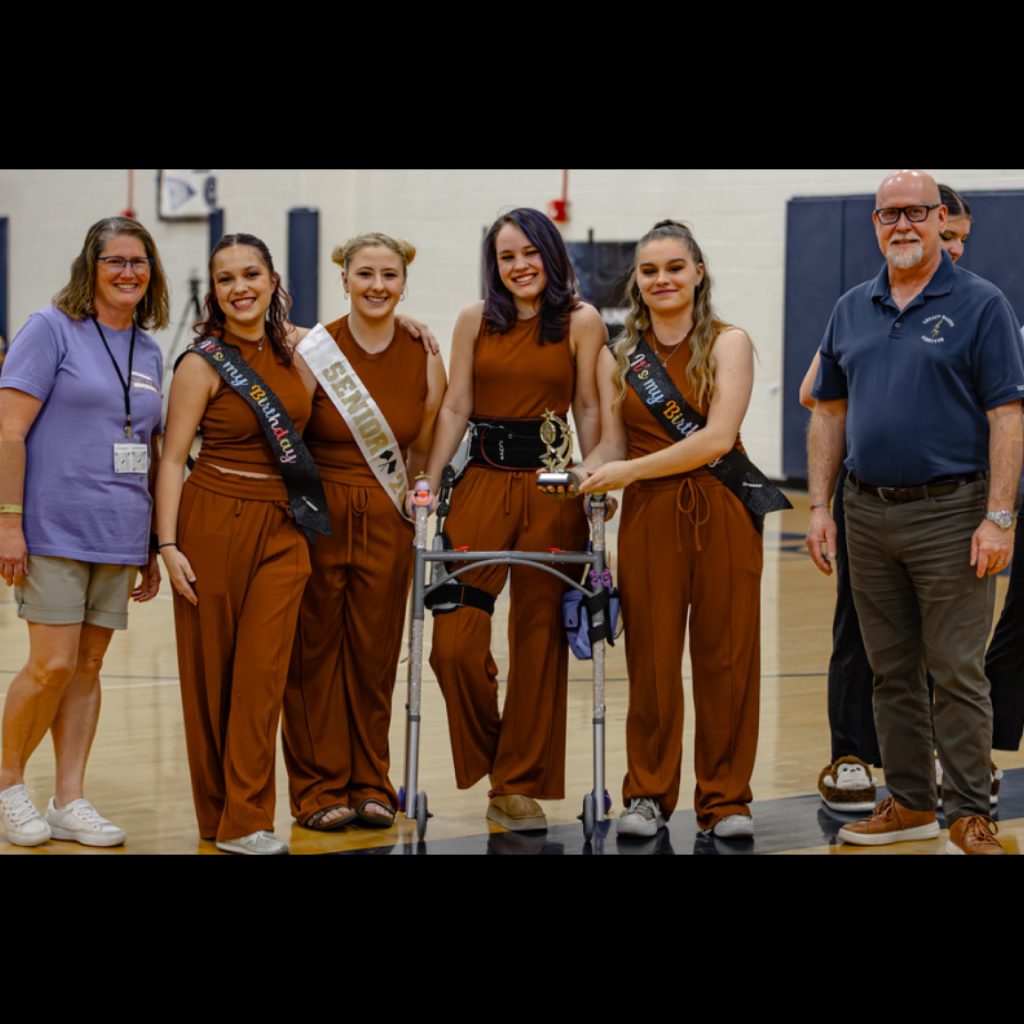

If there’s one thing I want people to take from my story, it’s this: if something feels wrong in your body, keep pushing until someone listens. Flexibility isn’t always a gift. And a diagnosis that comes late is still a diagnosis that can change your life.